

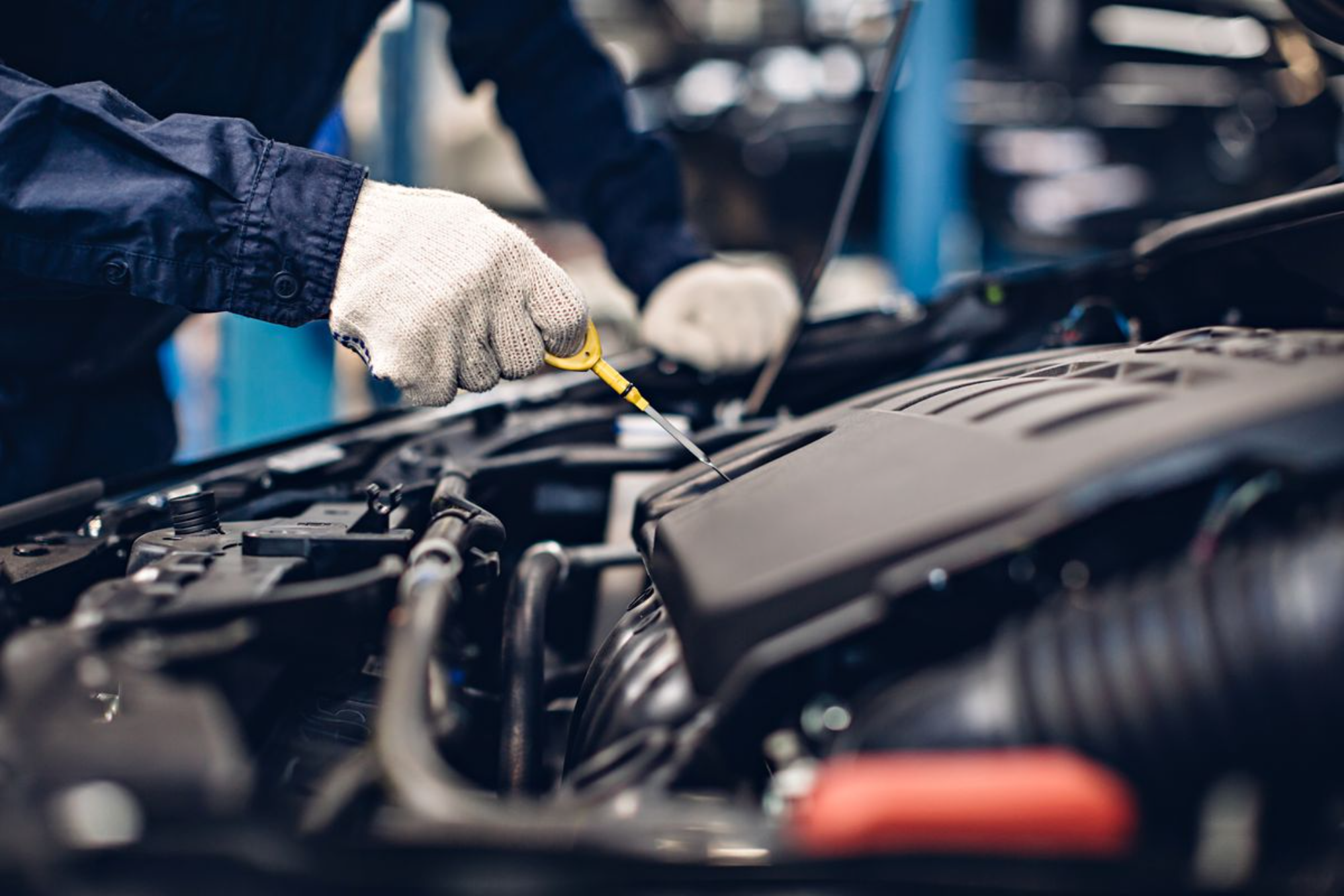
Your Nissan is built to go the distance — but only if you give it the attention it needs. One of the most overlooked aspects of vehicle ownership is Nissan fluid maintenance. From the engine to the brakes to the cooling system, your car relies on a network of fluids to keep everything running safely and smoothly. Skipping regular checks can lead to costly repairs down the road, so understanding what to look for and when can make a real difference.
Why Nissan Fluid Maintenance Matters
Think of your vehicle’s fluids as its lifeblood. Each one plays a specific role in protecting critical systems and preventing wear. When fluid levels drop or the fluid itself breaks down, the components it’s meant to protect start working harder — and that added stress adds up over time.
Staying on top of Nissan fluid maintenance is one of the simplest and most cost-effective ways to protect your investment. Whether you drive a Rogue, Frontier, Sentra, or Altima, the same core principle applies: clean, properly filled fluids keep your vehicle performing as designed.
Engine Oil: The Foundation of Engine Health
Engine oil is the most talked-about fluid for good reason. It lubricates moving parts, reduces friction, and helps carry heat away from the engine. Over time, oil breaks down and collects contaminants, which is why regular oil changes are so essential.
Most modern Nissan vehicles call for synthetic oil, which lasts longer and offers better protection across a wider range of temperatures. Always refer to your owner’s manual for the recommended oil type and change interval specific to your model and trim.
If you notice your oil light illuminating or your engine sounds noisier than usual, it’s a good sign that a check is overdue. For drivers in Bourbonnais, IL, getting this addressed promptly can prevent a minor issue from turning into a major repair.
Coolant: Keeping Your Engine at the Right Temperature
Engine coolant — sometimes called antifreeze — circulates through your engine to absorb heat and prevent overheating. It also protects against freezing in cold weather, which makes it especially important during Illinois winters.
Over time, coolant can become acidic and lose its ability to protect engine components from corrosion. A coolant flush and refill at the intervals recommended in your Nissan owner’s manual helps ensure your cooling system stays effective year-round.
Low coolant is one of the most common causes of engine overheating. If your temperature gauge climbs higher than normal, have your coolant level and condition inspected as soon as possible.
Brake Fluid: Safety You Can’t Ignore
Brake fluid is a hydraulic fluid that transfers force from your brake pedal to the brake components at each wheel. It operates under extreme pressure and heat, and it absorbs moisture from the air over time — which can lower its boiling point and reduce braking effectiveness.
Regular Nissan fluid maintenance includes checking brake fluid condition and level during routine service visits. If the fluid appears dark or cloudy, it’s typically a sign that it needs to be replaced. This is not an area where you want to cut corners, since your braking system directly affects your safety on the road.
Transmission Fluid, Power Steering Fluid, and Windshield Washer Fluid
Beyond the big three, your Nissan also depends on several other fluids that deserve attention. Transmission fluid lubricates the gears and helps your vehicle shift smoothly. If it becomes degraded or low, you may notice rough or delayed gear changes.
Power steering fluid helps your steering system respond with ease. A low level can make steering feel heavy or unresponsive. And while windshield washer fluid may seem minor, keeping your view clear is a basic safety measure that’s easy to maintain.
All of these fluids are typically checked during a multi-point inspection at a qualified Nissan service center. Staying current on Nissan service in Bourbonnais, IL, means your service advisor can catch low or degraded fluids before they cause problems.
How Often Should You Check Your Nissan’s Fluids?
There’s no single answer that fits every driver, but a good general rule is to have your fluids inspected at every oil change. Your owner’s manual outlines the specific service intervals for each fluid, and following those guidelines is the best way to stay ahead of potential issues.
Some fluids, like engine oil and windshield washer fluid, may need attention more frequently depending on how and where you drive. Others, like brake fluid and coolant, may only need to be replaced every few years. Consistent Nissan fluid maintenance takes the guesswork out of it.
Don’t Wait Until Something Goes Wrong
Fluid maintenance might not be the most exciting part of owning a Nissan, but it’s one of the most important. Staying consistent with your Nissan fluid maintenance schedule protects your engine, your brakes, your transmission, and ultimately your safety. Small, regular check-ins go a long way toward preventing expensive repairs and keeping your vehicle dependable for years to come.
If you’re not sure where your fluids stand, the team at Hove Nissan is here to help. Drivers throughout Bourbonnais, IL, can stop in for a service visit and get a thorough inspection from technicians who know your vehicle inside and out. Visit Hove Nissan to schedule your next appointment.
Connect with us


- 2025 Nissan
- 2025 Nissan Versa
- 2026 Nissan Frontier
- 2026 Nissan Kicks
- 2026 Nissan Murano
- 2026 Nissan Pathfinder
- 2026 nissan rogue trim levels
- Battery
- Bourbannais Nissan Service
- Bourbannais, IL Nissan Dealers
- Bradley Nissan Dealer
- Bradley Nissan Service
- Hove Nissan Dealer
- Hove Nissan Service
- Nissan Battery Service
- Nissan Frontier PRO-4X
- Nissan Fuel Efficiency
- Nissan kicks
- Nissan Rogue
- Nissan Sentra
- Nissan Z
- Nissan’s 30,000-Mile Service
- Uncategorized
- wheel alignment