
Blog / Hove Nissan Service

Blog

All Hove Nissan Service Hove Nissan Dealer Bourbannais, IL Nissan Dealers Bourbannais Nissan Service Bradley Nissan Dealer Bradley Nissan Service 2026 Nissan Pathfinder 2026 Nissan Frontier 2025 Nissan 2026 Nissan Murano Nissan Sentra 2026 Nissan Kicks 2026 nissan rogue trim levels Nissan Battery Service Nissan Frontier PRO-4X Nissan Fuel Efficiency Nissan Rogue Vehicle Maintenance 2025 Nissan Versa Battery brake pads replacement Driver Assistance Technology New Nissan Models Nissan kicks Nissan Technology Nissan Z Nissan's 30,000-Mile Service Tire Care & Maintenance Tire Service wheel alignment
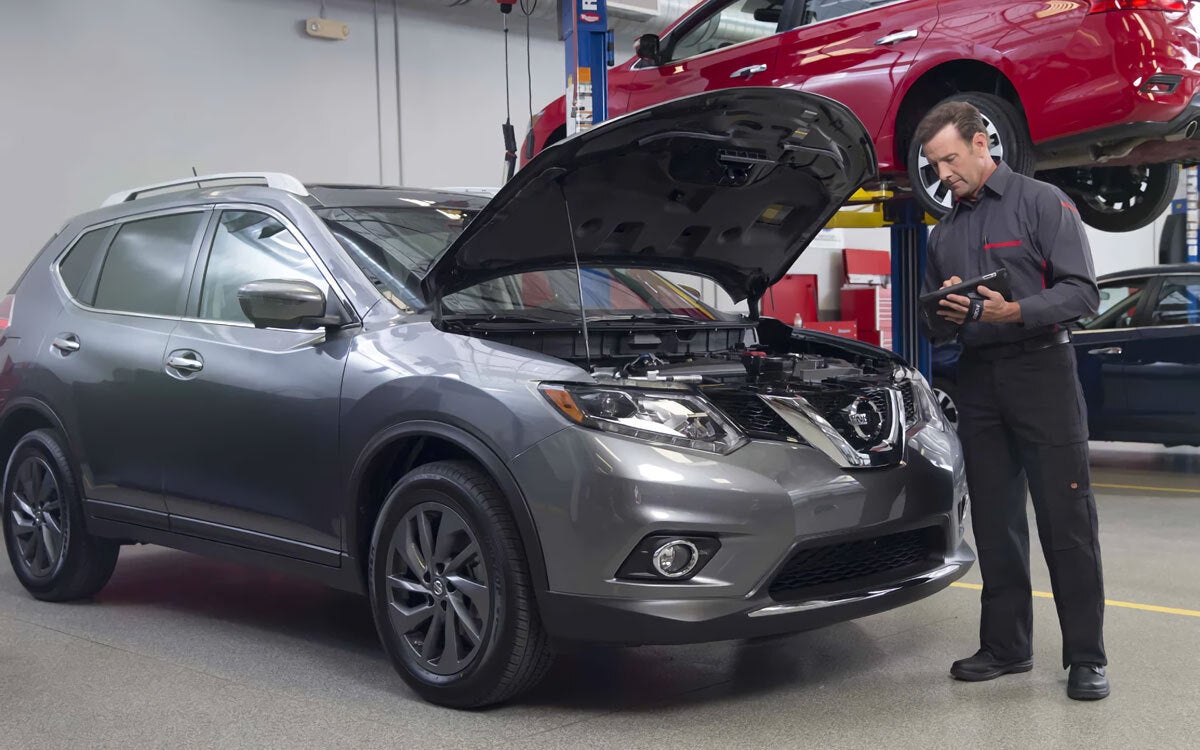
A technician inspects a cabin air filter inside a Nissan vehicle during routine maintenance.

When Should You Replace Your Nissan's Cabin Air Filter? A Guide for Bourbonnais, IL Drivers

If you have noticed weak airflow from your vents, strange odors inside your car, or more dust than usual settling on your dashboard, your Nissan’s cabin air filter replacement may be overdue. This small but important component plays a big role in keeping the air inside your vehicle clean and your HVAC system working efficiently in Bourbonnais, IL. What Does a Cabin Air Filter Actually Do? The cabin air filter is responsible for trapping dust, pollen, mold spores, and other airborne particles before they get into your vehicle's interior. Every time you run your heat, air conditioning, or fan, air passes through this filter first. A clean filter means cleaner air for you and your passengers. A clogged one can reduce airflow significantly and even put extra strain on your blower motor. How Often Should You Replace It? Most Nissans should have the cabin filter changed every 15,000 to 25,000 miles, though your specific cabin air filter replacement interval can vary depending on your driving environment. If you frequently drive on dirt roads, through construction zones, or during allergy season, you may need to replace it more often. Checking your owner's manual is always a good starting point for your particular model. Signs Your Nissan Needs a Cabin Air Filter Replacement You do not always need to wait for a scheduled mileage interval. Your Nissan cabin air filter may need to be replaced sooner if you notice reduced airflow even at high fan settings, a musty or stale smell when the HVAC system is running, increased dust buildup inside the cabin, or louder-than-usual fan noise. These are all signs that the filter is working overtime and needs attention soon. Making sure you have a clean cabin air filter also helps protect your vehicle's long-term health, since a neglected cabin filter can contribute to HVAC issues down the road. Which Nissan Models Need This Service? All of them. No matter which model you drive, your Nissan has a cabin air filter that needs regular attention. Cabin air filter service is simple when you work with a team that knows your vehicle inside and out. The right filter for your specific model is important, and using a properly fitted replacement ensures the best performance. Why Professional Service Makes a Difference While some drivers choose to replace their cabin air filters at home, having a trained technician handle your Nissan cabin filter service means the job is done correctly and inspected thoroughly. A service visit also gives technicians a chance to spot other items that may need attention, so you leave with confidence knowing your Nissan is in good shape. Visit our Nissan service center near Bourbonnais, IL for professional maintenance from trained technicians. Schedule Your Cabin Air Filter Replacement at Hove Nissan If you are not sure when your filter was last replaced, now is a great time to find out. Visit Hove Nissan online to schedule your Nissan cabin air filter replacement and keep your vehicle's air as fresh as the day you drove it off the lot. Serving drivers throughout Bourbonnais, IL, the team at Hove Nissan is ready to help you stay on top of every maintenance need with ease.

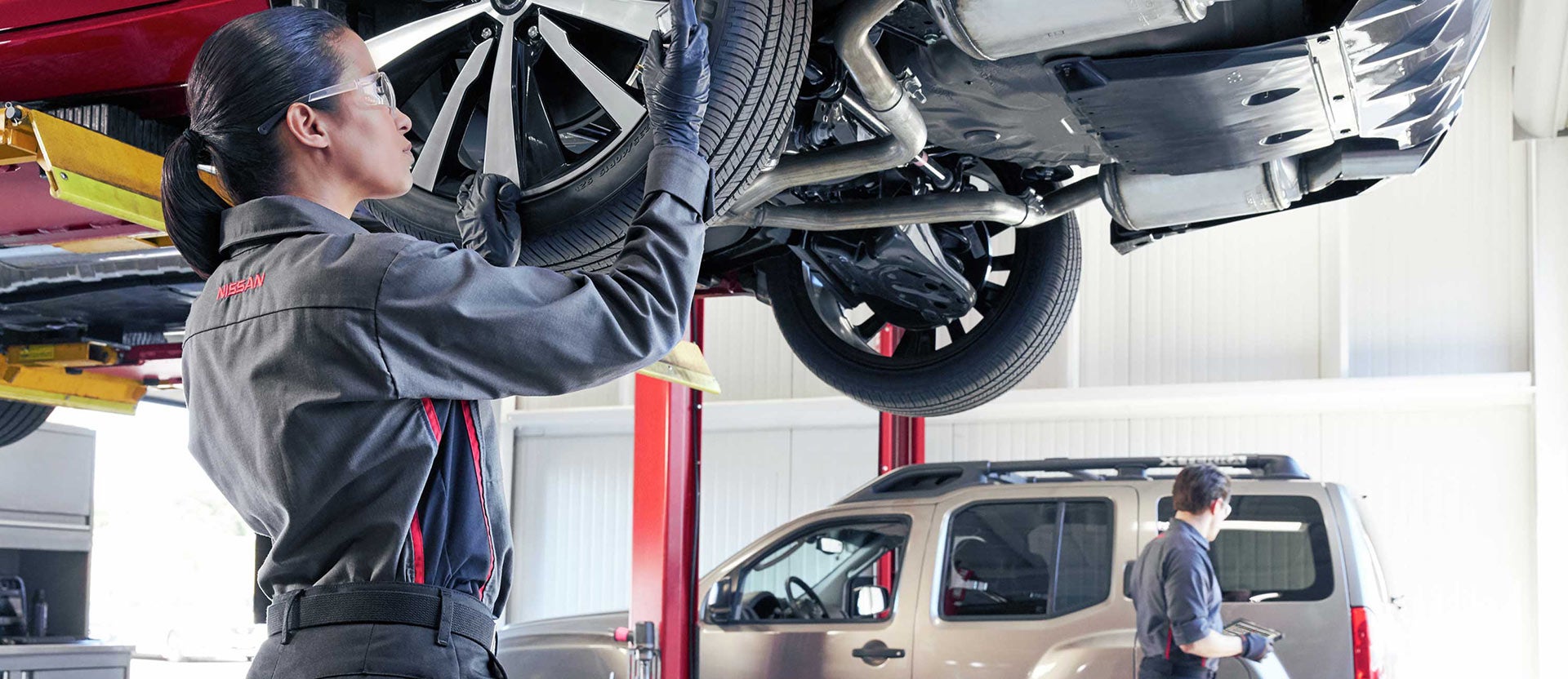
Technician inspecting a vehicle’s undercarriage.

How to Maintain Your Nissan's AWD System for Better Performance

If you drive a Nissan equipped with all-wheel drive, and you want to keep the system running in top shape, you need to stay on top of a regular Nissan AWD maintenance schedule. No matter if you're navigating wet roads, gravel paths, or winter weather around Bourbonnais, IL, your AWD system works hard every mile. Taking care of it keeps your ride smooth, safe, and dependable for the long haul. Why Nissan AWD Maintenance is Important Your Nissan's all-wheel drive system is a network of components working together to deliver power to all four wheels when you need it most. Neglecting routine Nissan AWD maintenance can lead to uneven wear, reduced traction, and costly repairs down the road. Key Components to Inspect Regularly Nissan Intelligent AWD relies on key mechanical components—including a Power Take-Off (PTO) unit, high-strength center driveshaft, electromagnetic rear coupling clutch, front and rear differentials, and four CV half-shaft axles—to dynamically split torque between the front and rear wheels when loss of traction is detected. Harsh Midwest winter conditions and road salt accelerate seal and fluid breakdown across these drivetrain housings. During a routine Nissan AWD service, factory-trained technicians check differential and transfer case synthetic fluid levels, inspect pinion and axle seals for leaks, evaluate CV boot integrity, and verify electronic clutch pack engagement to ensure smooth power distribution and prevent internal gear wear. Tire Care and Its Connection to Your AWD System Your tires are the link between your AWD system and the road, so their condition directly affects drivetrain performance. Mismatched tire sizes or significantly uneven tread wear can place added stress on the AWD components, causing accelerated wear or potential damage. Keeping all four tires properly inflated and rotated on schedule is essential. A good rule of thumb is to rotate tires every 5,000 to 7,500 miles and replace them in full sets when worn to help protect your drivetrain. Signs Your AWD System Needs Attention Catching problems early can save you significant time and money. Some common signs that your Nissan's AWD system may need service include unusual clicking or grinding noises when turning, vibration felt through the steering wheel or floor, difficulty maintaining traction in conditions where AWD should help, and warning lights appearing on your instrument cluster. If you notice any of these symptoms, it is a good idea to schedule a Nissan service appointment sooner rather than later. Your AWD system is designed to be reliable, but only when it receives the attention it needs. Visit Hove Nissan for Expert AWD Service Staying current with Nissan AWD maintenance does not have to be complicated. The key is routine care, using the right fluids, monitoring your tires, and paying attention to how your vehicle feels and sounds while driving. For drivers in Bourbonnais, IL, the team at Hove Nissan is here to help keep your Nissan's AWD system in top shape. No matter if you drive a Rogue, a Frontier, or any other AWD-equipped model, scheduling regular service online is the best way to protect your vehicle's performance and reliability for years to come.

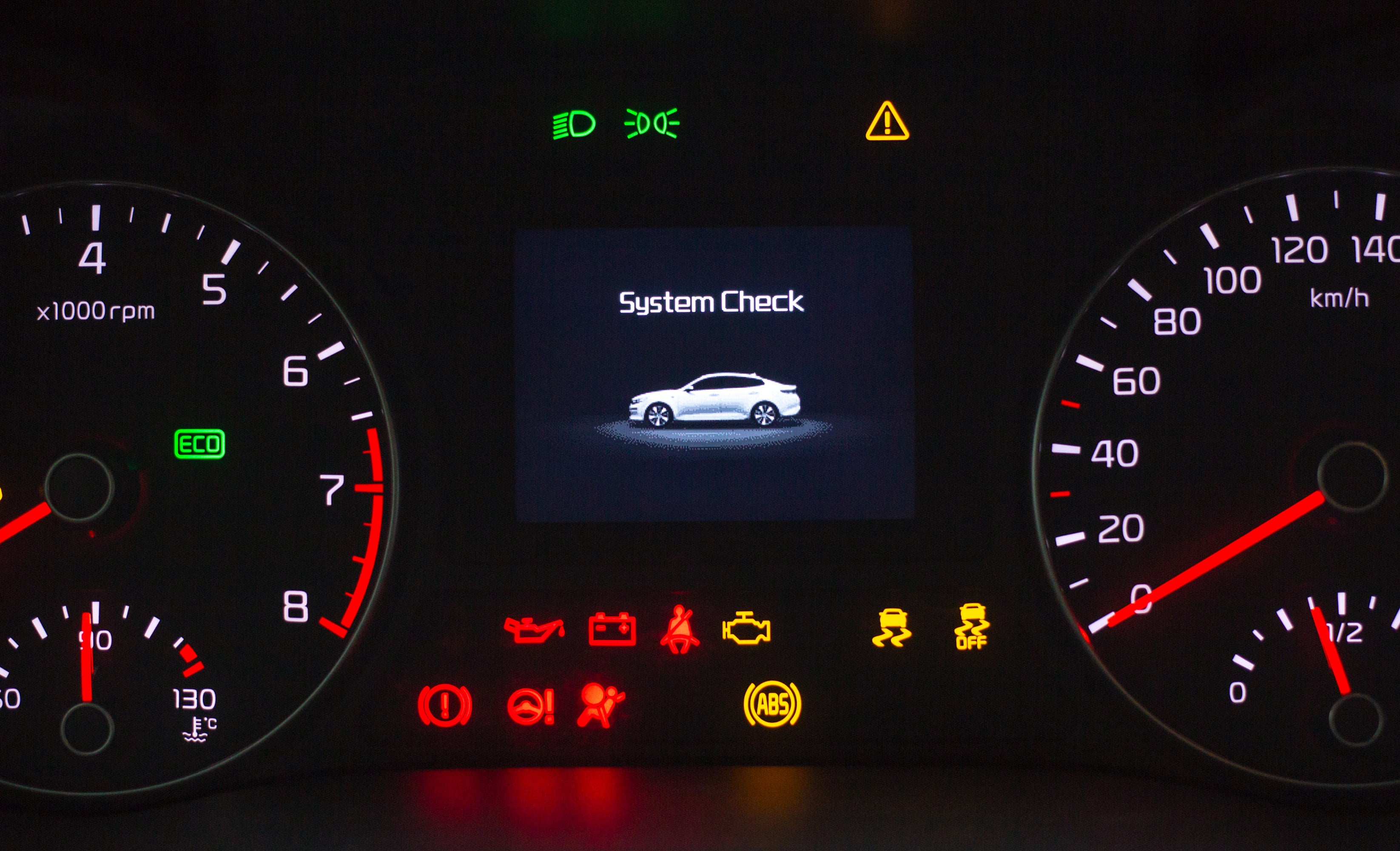
Vehicle dashboard warning light inspection

What Does the Check Engine Light Mean in Your Nissan? Common Causes for Bourbonnais Drivers

The Nissan check engine light is remarkably good at getting your attention while telling you almost nothing. That little amber engine-shaped icon could point to something as basic as an improperly sealed gas cap or something considerably more urgent happening inside the engine. What it really means is simple: your Nissan's onboard diagnostic system has detected something outside its expected operating range, stored a diagnostic trouble code, and would now like somebody to investigate. Why Your Nissan Check Engine Light Comes On There isn't one universal culprit. A loose or damaged gas cap can trigger an evaporative-emissions fault, while an oxygen sensor problem can interfere with the engine management system's ability to monitor the exhaust. Worn spark plugs or failing ignition coils can cause misfires, and problems involving the catalytic converter or other emissions components can illuminate the light as well. The symptoms may range from absolutely nothing noticeable to rough running, reduced power, poor fuel economy, or hesitation, which is why the light itself is only the beginning of the diagnosis. A Diagnostic Code Isn't the Same as a Diagnosis Professional Nissan diagnostics start by retrieving the trouble codes stored by the vehicle, but the code doesn't necessarily identify a failed component. Think of it as a clue. A technician may need to examine live vehicle data, inspect related components, test electrical circuits, or perform additional checks before determining what caused the fault. But simply replacing the component named in a generic code description can become an expensive game of parts darts. Solid or Flashing? There's a Big Difference A solid Nissan check engine light generally means the vehicle has detected a fault that should be diagnosed soon, though the car may continue to operate normally. A flashing light deserves much more immediate attention because it can indicate an active misfire capable of damaging the catalytic converter. If the light begins flashing and the engine is shaking, losing power, or otherwise behaving abnormally, reduce your speed, find a safe place to stop, and arrange for professional Nissan service instead of continuing the journey and hoping the problem sorts itself out. What Should You Check First? Start with the easy stuff. If your Nissan uses a conventional fuel cap, check that it's properly secured and inspect it for visible damage. Pay attention to anything else the vehicle is telling you, including unusual noises, rough idling, changes in acceleration, smoke, or other dashboard warnings. If the Nissan check engine light remains illuminated, scheduling a vehicle diagnostic service at Hove Nissan is the next move. Clearing the warning without identifying its cause only removes the message; it doesn't repair whatever triggered it. Schedule Nissan Diagnostics at Hove Nissan For drivers around Bourbonnais, IL, a check engine light doesn't need to become a guessing exercise. Hove Nissan can perform Nissan diagnostics to determine why the warning appeared and identify any service or engine repair the vehicle requires. If your light is illuminated, keeps returning, or is accompanied by changes in how your Nissan drives, schedule a service appointment online and have the problem properly diagnosed before a smaller warning has the opportunity to become a larger repair.

Tire inspection with pressure gauge

Nissan Tire Pressure Guide: Why Regular Checks Matter

Tire pressure isn't terribly exciting, right up until it changes how the car behaves. Those 4 patches of rubber are the only parts of your Nissan touching the road, and inflation affects how they steer, brake, wear, and deal with heat. Keeping your Nissan tire pressure where the vehicle manufacturer specifies takes only a few minutes, but it can make a noticeable difference to safety, tire life, and the way the vehicle feels from behind the wheel around Bourbonnais. Tire Pressure Changes More Than the Ride An underinflated tire flexes more as it rolls, generating additional heat and potentially wearing its shoulders faster. It can also make steering feel less precise and increase rolling resistance. Too much pressure brings its own problems, including a harsher ride and altered tread contact with the road. Correct inflation keeps the tire operating as designed, which is why checking pressure should be part of regular Nissan tire service instead of something reserved for the appearance of a warning light. Finding the Correct Pressure for Your Nissan Ignore the temptation to use the pressure molded into the tire sidewall as your target; that figure isn't your Nissan's recommended inflation pressure. Look instead at the Tire and Loading Information label, typically located on the driver's-side door jamb, or consult your owner's manual. Requirements can differ by model, tire specification, and load, so the vehicle's listed figure is the one to follow. Check the tires when they're cold for the most representative reading and don't forget the spare if your Nissan is equipped with one. What the Nissan TPMS Light Is Telling You The Nissan Tire Pressure Monitoring System (TPMS) monitors tire inflation and can warn you when pressure becomes too low. If the Nissan TPMS warning appears, find a safe place to check the tires and inflate them to the vehicle's specified pressure as needed. TPMS is a warning system, though, not an excuse to retire the pressure gauge. Regular manual checks can identify a gradual pressure loss before it becomes significant enough to trigger a warning, while a warning that remains illuminated may warrant professional TPMS service or a tire inspection. Cold Weather Can Make the Warning Appear Air pressure changes with temperature, which is especially relevant during a Bourbonnais, IL, winter. A tire that was properly inflated during warmer weather may show lower pressure after a substantial temperature drop. That's a good reason to check inflation as the seasons change instead of simply adding air until the warning disappears. If one tire repeatedly loses pressure while the others remain stable, the problem could be a puncture, valve issue, wheel damage, or another leak requiring tire repair. Give the Tires a Proper Look While You're There Checking pressure is also a convenient time to inspect tread condition. Uneven wear can point toward incorrect inflation, but it may also indicate the need for a tire rotation, wheel alignment, or suspension inspection. Cracks, bulges, embedded objects, or rapidly declining tread depth deserve attention as well. Tires tend to tell you quite a lot about what's happening elsewhere on the vehicle, provided somebody takes the time to look. Schedule Nissan Tire Service at Hove Nissan Correct Nissan tire pressure helps the tires perform as intended and gives drivers an early opportunity to catch problems before they become more troublesome. If your TPMS light stays on, one tire repeatedly loses air, or you've noticed unusual tread wear, professional tire service can identify what's causing it. Drivers around Bourbonnais, IL, can visit Hove Nissan for tire inspections, TPMS service, tire rotations, wheel alignment, and other Nissan maintenance. Schedule a service appointment online to have your tires checked and keep your Nissan ready for the road.

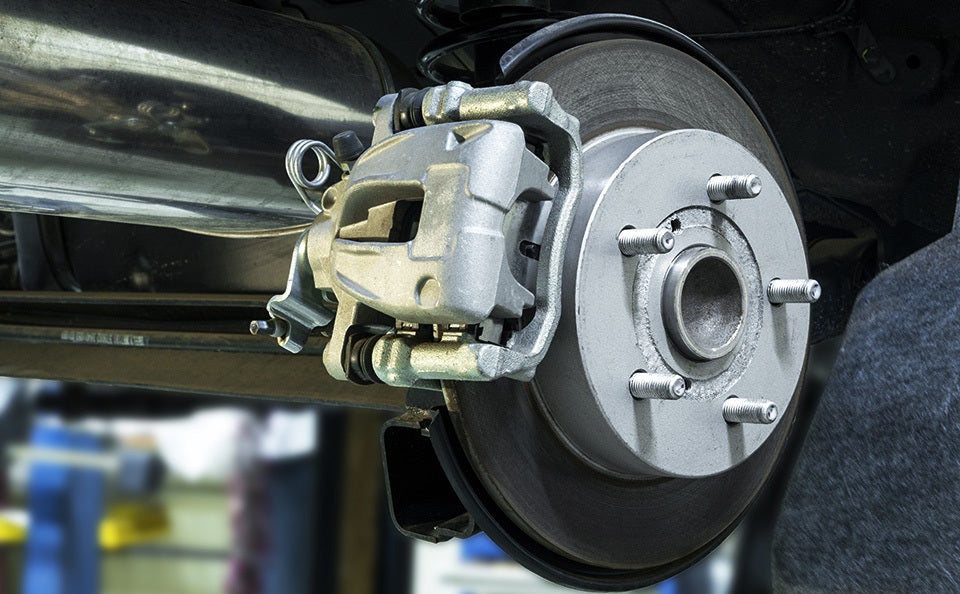
Close-up of a vehicle brake rotor and caliper assembly.

When Should You Replace Your Nissan's Brake Pads? Warning Signs Drivers Need to Know

Why Nissan Brake Pad Replacement Matters Your brakes are one of the most vital safety systems on your vehicle, and maintaining them is a key part of routine care at Hove Nissan in Bourbonnais, IL. A worn set of brake pads can put you and others at risk. Understanding when to get Nissan brake pads replacement helps you stay ahead of costly repairs and maintain optimal stopping power on the road. Warning Signs Your Brake Pads Need Attention A common indicator of wear is a high-pitched squealing or squeaking sound when you press the brake pedal. This noise comes from a built-in metal indicator designed to alert you when material runs thin. Address this promptly, even if the sound comes and goes. Grinding noises or vibrations while stopping mean the pad has worn down completely, causing metal-to-metal contact that damages rotors. If the vehicle pulls to one side during a stop, uneven wear or a stuck caliper may be the cause. Soft or spongy pedal responses and illuminated dashboard brake warning lights also require immediate inspection. How Often Should You Schedule Nissan Brake Service? Brake pad lifespans depend on driving habits, terrain, and vehicle models. Most pads last between 25,000 and 65,000 miles. Frequent stop-and-go city driving reduces this interval compared to highway travel. Having your brakes inspected during routine oil changes or tire rotations allows a technician to measure pad thickness and assess overall system health before small issues escalate. What Happens If You Wait Too Long? Delaying replacement causes worn pads to score and ruin your rotors, transforming a straightforward service into an expensive repair. Reliable stopping power is essential for navigating local traffic and highway conditions safely. Visit Hove Nissan for Professional Brake Service Schedule a Nissan brake pad replacement inspection if you notice unusual noises, pedal changes, or need routine maintenance. The service team at Hove Nissan in Bourbonnais, IL, is ready to maintain your vehicle's safety features. Stop by today or book your next service appointment online through the Hove Nissan online portal.

Car service inspection by mechanic

Nissan Summer Road Trip Checklist: What to Check Before Long Drives

Summer is the perfect time to hit the open road. Before you load up the car and head out, a few simple checks can make the difference between a smooth trip and an unexpected roadside stop. Completing a solid summer car maintenance checklist prevents breakdowns, no matter if you drive a Nissan Rogue, a Frontier, or any other model. Reach out to your local Nissan dealership in Bourbonnais, IL today to ensure your vehicle is ready for the journey and to get expert advice. Why Pre-Trip Inspections Matter for Long Drives No one wants to deal with a breakdown in the summer heat. Completing a maintenance checklist before an extended journey helps you spot small issues before they become bigger problems. Drivers throughout Bourbonnais, IL know summer temperatures take a toll on vehicles, making preparation essential this time of year. Fluids, Filters, and Engine Health Start by checking your engine oil level and condition. If the oil is dark and dirty, you need an oil change. Coolant is critical in the summer, so verify the reservoir is full to prevent overheating on long highway stretches. Your Nissan service team can also inspect your air filter, brake fluid, power steering fluid, and windshield washer fluid. These overlooked components remain vital for overall performance and safety. Tires, Brakes, and Safety Systems Tires require close attention before a road trip. Check the tread depth and look for uneven wear, cracks, or bulges. Always check the spare tire, as it is easy to forget until you actually need it. Tire pressure fluctuates with temperature changes, so inflate all tires to the manufacturer's recommended levels before departure. Have a technician inspect your brakes if you notice squealing, vibrating, or longer stopping distances. Lights, Battery, and Electrical Checks Summer heat damages batteries. If your battery is older than three years, have a professional test it before a long trip. Verify all exterior lights work properly, including headlights, taillights, turn signals, and brake lights. Inside the cabin, ensure your air conditioning system blows cold. A malfunctioning A/C is an inconvenience and a potential safety concern on long summer drives. Packing and Emergency Essentials A good road trip vehicle checklist goes beyond the vehicle itself. Pack a roadside emergency kit containing jumper cables, a flashlight, a basic first aid kit, water, and a phone charger. If your newer Nissan model features roadside assistance or smartphone integration like Apple CarPlay© or Android Auto©, familiarize yourself with the systems before leaving. Families loading up a Nissan Pathfinder or Armada should review cargo limits and secure everything properly before departing. Schedule Your Pre-Trip Inspection Today Let a professional handle the hard part so you feel confident before a long drive. Certified technicians possess the tools and training to thoroughly inspect your vehicle. You might be driving across state lines or just taking a weekend trip. Stop by your local Nissan dealership in Bourbonnais, IL to let our team help you enjoy the drive safely. Contact us to schedule your service appointment.

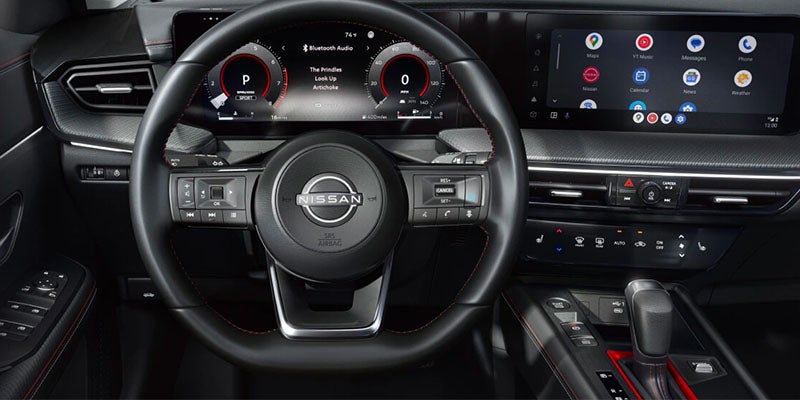
2026 Nissan Murano Interior

2026 Nissan Murano Interior Features Built Around Comfort

When you're off on a long road trip, it's important that your vehicle allows you to ride in comfort. It's no fun getting to your destination cranky and sore from being packed inside an uncomfortable vehicle for a long time. Thankfully, that's not the case if you're driving a Nissan Murano. The 2026 Nissan Murano’s interior was designed with one clear priority: making every drive feel effortless. So, if you're running errands across town or heading out on a longer road trip, this cabin delivers a level of comfort that stands out in its class. From luxurious materials to intuitive technology, the newly redesigned Murano puts comfort at the center of the experience. What Makes the 2026 Nissan Murano Interior Stand Out The moment you get into the 2026 Murano, the attention to detail becomes immediately clear. Soft-touch surfaces, available leather-appointed seating, and carefully chosen trim materials give the cabin a premium feel without feeling overdone. The overall layout is clean and driver-focused, making it easy to find what you need without taking your eyes off the road. The Murano also benefits from a quieter cabin, thanks to improved noise insulation throughout the vehicle. If you're on the highway or driving through the city, the interior stays calm and composed. Seating and Passenger Comfort The Murano’s front seats offer a wide range of adjustability, with available heating and ventilation that make seasonal driving far more enjoyable. The Murano is a spacious two-row midsize SUV seating up to 5 passengers. It offers 112 cu.ft. of total passenger volume and features up to 32.9 cu.ft. of cargo space behind the second row Rear passengers benefit from generous legroom and a bench that supports longer rides. The Murano doesn't treat the back seat as an afterthought - it's designed to be a comfortable place to sit whether you're traveling 10 miles or 100. Technology and Connectivity Inside the Murano The technology integrated into the 2026 Nissan Murano interior is both practical and intuitive. A 12.3-in touchscreen serves as the central hub for navigation, audio, and connectivity features. Wireless Apple CarPlay® and Android Auto™ compatibility make it easy to stay connected without fumbling with cables. Available wireless charging keeps devices powered up throughout the drive. It also includes Wi-Fi hotspot capability, so passengers can stay connected on longer trips. Cargo Space and Everyday Practicality The Murano’s interior balances comfort with practicality. The rear cargo area offers a solid amount of space for groceries, luggage, or outdoor gear. Folding the rear seats down expands that capacity significantly, making it a flexible option for a variety of hauling needs. Storage throughout the cabin is well-planned, with multiple cubbies, cup holders, and a center console designed to keep everyday items organized. Ambient Lighting and Interior Atmosphere Nissan gave the 2026 Murano interior a refined atmosphere with available ambient lighting that sets the tone for evening drives. The soft illumination enhances the feel of the cabin without being distracting. Paired with the available panoramic moonroof, the interior feels open and airy in a way that larger SUVs don't always achieve. Experience the 2026 Nissan Murano Interior for Yourself The 2026 Nissan Murano’s interior brings together comfort, technology, and design in a package that works for real life. Drivers looking for a comfortable, well-equipped SUV will find a lot to appreciate here. Stop by and visit the Nissan experts at Hove Nissan and see it in person and we’ll be happy to set you to test drive the Murano today.

Nissan Safety Shield 360

Nissan Safety Shield 360: Helpful Features for Everyday Driving

If you've been looking at new cars lately, you have probably noticed that safety technology has greatly improved over the last few years. That's especially true if you are looking at Nissans, thanks to Nissan Safety Shield 360. Nissan Safety Shield 360 is a suite of standard driver assist technologies designed to help you feel safer behind the wheel. If you're driving across town or heading out on a longer trip, these Nissan safety features are built to work in the background, giving you extra support when you need it most. What Is Nissan Safety Shield 360? Nissan Safety Shield 360 is a collection of six active safety and driving assist technologies that come standard on most Nissan models. Rather than offering these features as optional add-ons, Nissan includes them as part of the base package on a wide range of vehicles - from the Sentra and Altima to the Rogue and Pathfinder. That means more drivers can benefit from these tools without having to upgrade to a higher trim level. The Six Core Technologies Nissan Safety Shield 360 covers a broad range of driving situations with six key systems working together. Automatic Emergency Braking with Pedestrian Detection can help slow or stop the vehicle if it senses a potential collision ahead. Lane Departure Warning alerts you if the vehicle begins drifting out of its lane without signaling. Blind Spot Warning helps you spot vehicles that may be hidden from your mirrors during lane changes. Rear Cross Traffic Alert warns you of approaching traffic when backing out of a parking space. High Beam Assist automatically switches between high and low beams based on surrounding traffic conditions. Finally, Rear Automatic Braking can detect obstacles behind the vehicle and apply the brakes to help prevent low-speed collisions while reversing. Which Nissan Models Include It? Many vehicles across the Nissan lineup include Nissan Safety Shield 360 as a standard feature. The 2026 Nissan Sentra includes this suite as part of its standard equipment. The 2026 Rogue, the 2026 Altima, and the 2026 Pathfinder are also equipped with these Nissan safety features. If you're considering a new Nissan and want to confirm which specific trim levels include every component of the system, it's always a good idea to review the model's feature sheet or ask a product specialist for details. How It Helps in Everyday Situations It's easy to appreciate driving assist technology most during the moments you didn't see coming. Backing out of a crowded grocery store parking lot, merging onto a busy highway, or driving at dusk when visibility is reduced - these are exactly the types of situations where Nissan Safety Shield 360 is designed to make a difference. The system doesn't take over your driving; it simply provides an extra layer of awareness and response that helps reduce the likelihood of an accident. See Nissan Safety Shield 360 at Hove Nissan Nissan Safety Shield 360 reflects a straightforward idea: that helpful safety technology should be accessible to as many drivers as possible. By including these safety features as standard equipment across much of the lineup, Nissan makes it easier to drive with confidence every day. If you'd like to explore which models and trims are available, come in and see us at Hove Nissan. We're ready to help. You can also visit us online at the showroom to browse inventory and learn more about the vehicles that include this important suite of driving assist technology.

Fluid Checks

The Importance of Fluid Checks and Maintenance for Your Nissan

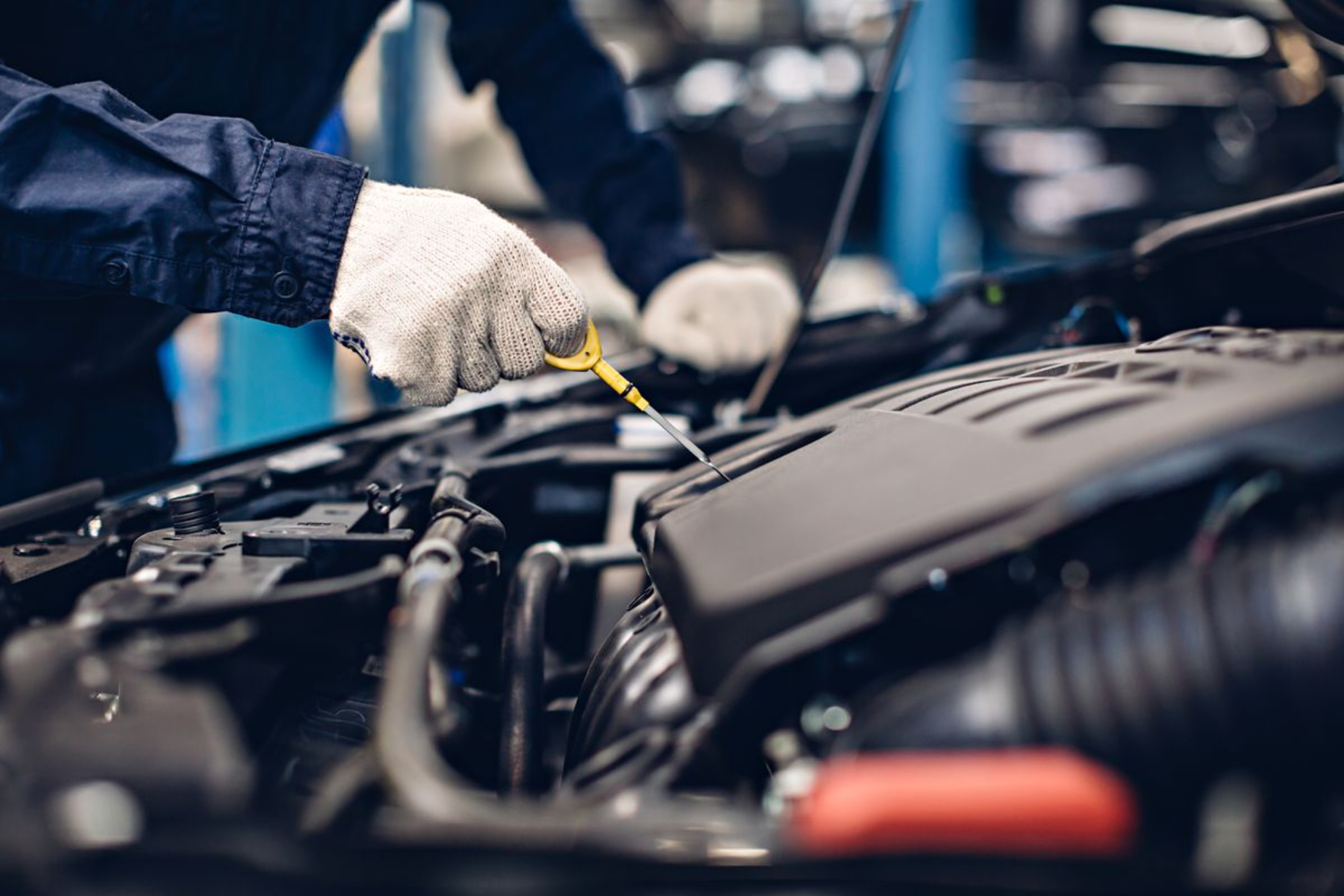
Your Nissan is built to go the distance — but only if you give it the attention it needs. One of the most overlooked aspects of vehicle ownership is Nissan fluid maintenance. From the engine to the brakes to the cooling system, your car relies on a network of fluids to keep everything running safely and smoothly. Skipping regular checks can lead to costly repairs down the road, so understanding what to look for and when can make a real difference. Why Nissan Fluid Maintenance Matters Think of your vehicle's fluids as its lifeblood. Each one plays a specific role in protecting critical systems and preventing wear. When fluid levels drop or the fluid itself breaks down, the components it's meant to protect start working harder — and that added stress adds up over time. Staying on top of Nissan fluid maintenance is one of the simplest and most cost-effective ways to protect your investment. Whether you drive a Rogue, Frontier, Sentra, or Altima, the same core principle applies: clean, properly filled fluids keep your vehicle performing as designed. Engine Oil: The Foundation of Engine Health Engine oil is the most talked-about fluid for good reason. It lubricates moving parts, reduces friction, and helps carry heat away from the engine. Over time, oil breaks down and collects contaminants, which is why regular oil changes are so essential. Most modern Nissan vehicles call for synthetic oil, which lasts longer and offers better protection across a wider range of temperatures. Always refer to your owner's manual for the recommended oil type and change interval specific to your model and trim. If you notice your oil light illuminating or your engine sounds noisier than usual, it's a good sign that a check is overdue. For drivers in Bourbonnais, IL, getting this addressed promptly can prevent a minor issue from turning into a major repair. Coolant: Keeping Your Engine at the Right Temperature Engine coolant — sometimes called antifreeze — circulates through your engine to absorb heat and prevent overheating. It also protects against freezing in cold weather, which makes it especially important during Illinois winters. Over time, coolant can become acidic and lose its ability to protect engine components from corrosion. A coolant flush and refill at the intervals recommended in your Nissan owner's manual helps ensure your cooling system stays effective year-round. Low coolant is one of the most common causes of engine overheating. If your temperature gauge climbs higher than normal, have your coolant level and condition inspected as soon as possible. Brake Fluid: Safety You Can't Ignore Brake fluid is a hydraulic fluid that transfers force from your brake pedal to the brake components at each wheel. It operates under extreme pressure and heat, and it absorbs moisture from the air over time — which can lower its boiling point and reduce braking effectiveness. Regular Nissan fluid maintenance includes checking brake fluid condition and level during routine service visits. If the fluid appears dark or cloudy, it's typically a sign that it needs to be replaced. This is not an area where you want to cut corners, since your braking system directly affects your safety on the road. Transmission Fluid, Power Steering Fluid, and Windshield Washer Fluid Beyond the big three, your Nissan also depends on several other fluids that deserve attention. Transmission fluid lubricates the gears and helps your vehicle shift smoothly. If it becomes degraded or low, you may notice rough or delayed gear changes. Power steering fluid helps your steering system respond with ease. A low level can make steering feel heavy or unresponsive. And while windshield washer fluid may seem minor, keeping your view clear is a basic safety measure that's easy to maintain. All of these fluids are typically checked during a multi-point inspection at a qualified Nissan service center. Staying current on Nissan service in Bourbonnais, IL, means your service advisor can catch low or degraded fluids before they cause problems. How Often Should You Check Your Nissan's Fluids? There's no single answer that fits every driver, but a good general rule is to have your fluids inspected at every oil change. Your owner's manual outlines the specific service intervals for each fluid, and following those guidelines is the best way to stay ahead of potential issues. Some fluids, like engine oil and windshield washer fluid, may need attention more frequently depending on how and where you drive. Others, like brake fluid and coolant, may only need to be replaced every few years. Consistent Nissan fluid maintenance takes the guesswork out of it. Don't Wait Until Something Goes Wrong Fluid maintenance might not be the most exciting part of owning a Nissan, but it's one of the most important. Staying consistent with your Nissan fluid maintenance schedule protects your engine, your brakes, your transmission, and ultimately your safety. Small, regular check-ins go a long way toward preventing expensive repairs and keeping your vehicle dependable for years to come. If you're not sure where your fluids stand, the team at Hove Nissan is here to help. Drivers throughout Bourbonnais, IL, can stop in for a service visit and get a thorough inspection from technicians who know your vehicle inside and out. Visit Hove Nissan to schedule your next appointment.

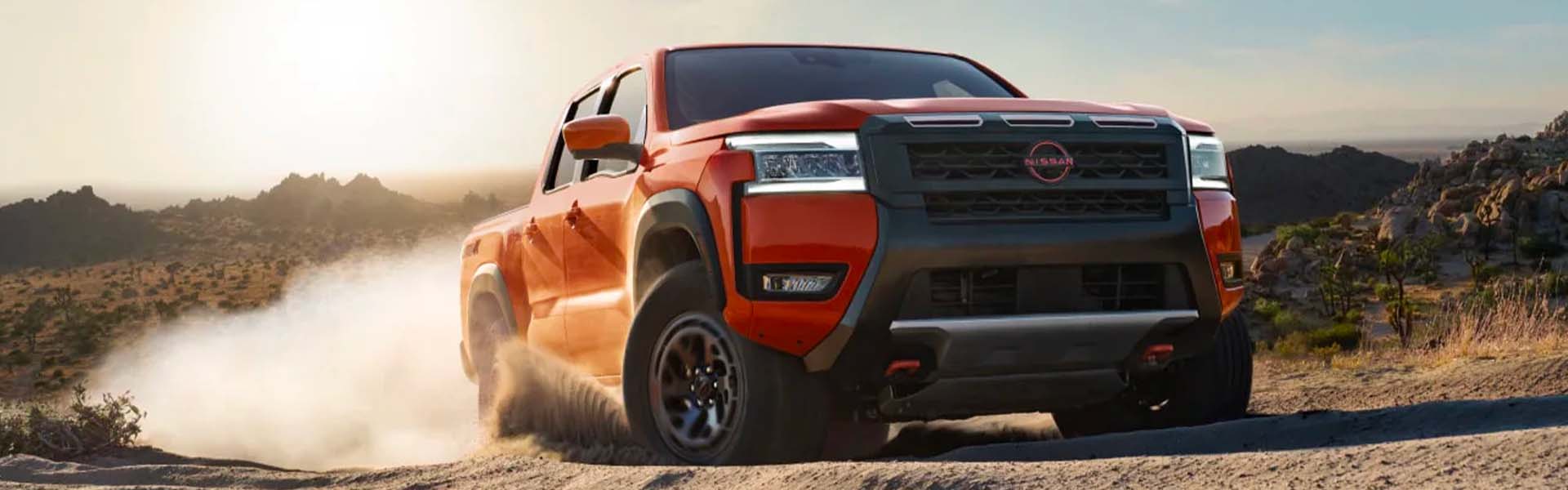
2026 Nissan Frontier

Meet the 2026 Nissan Frontier PRO-4X®: Built to Work, Ready to Roam

The 2026 Nissan Frontier PRO-4X ® doesn’t try to be everything. It knows exactly what it is. A midsize truck with real capability, real hardware, and enough features to stand out on its own. You need something that handles the weekday grind, then turns around and handles a muddy trail or a loaded trailer without hesitation. This is where the Frontier PRO-4X® lands. Power That Shows Up When You Need It Every Frontier PRO-4X® runs the same 3.8L V6. No complicated lineup. No guessing which engine you need. It delivers 310 hp and 281 lbs. ft. of torque, paired to a 9-speed automatic that keeps things smooth under load. With up to 7,040 lbs. of towing capacity, it handles trailers, gear, and weekend plans without feeling stretched. It’s straightforward power. And it works. Off-Road Hardware That Isn’t Just for Looks Bilstein® off-road shocks absorb rough terrain without turning the ride into chaos. The electronic locking rear differential adds traction when things get uneven. Skid plates protect what matters underneath. It’s not pretending to be off-road capable. It is. Keeping those components performing the way they should comes down to routine checks like Nissan suspension service, especially if the truck sees regular trail use. Technology That Stays Out of the Way Inside, Nissan kept things simple in the right ways. The available 12.3-inch touchscreen is quick and clear. Wireless Apple CarPlay® and Android Auto™ connect without effort. The available Wi-Fi hotspot keeps everything online when you’re not. It’s functional tech. Easy to use. No learning curve. And when systems need attention, services like Nissan infotainment system service help keep everything running cleanly over time. Safety That Works in the Background Nissan Safety Shield® 360 comes standard. It covers the all the essentials. Automatic Emergency Braking with Pedestrian Detection. Blind Spot Warning. Lane Departure Warning. They’re there when you need them. Out of the way when you don’t. Built for Illinois Conditions Illinois driving isn’t consistent. Potholes, weather swings, and winter conditions all show up at some point. The Frontier PRO-4X® handles that without drama. The suspension stays composed. The drivetrain adapts. The truck feels solid in situations that usually expose weaknesses. Routine maintenance like Nissan 4x4 system service helps keep that capability intact year after year. A Truck That Keeps It Simple The 2026 Nissan Frontier PRO-4X® doesn’t overcomplicate things. It gives you a strong engine, real off-road hardware, useful technology, and the kind of durability that holds up over time. Visit Hove Nissan and schedule a test drive online to see how the Frontier PRO-4X® can elevate your driving experience.

nissan-express-service-multi-point-2 (1)

What Really Happens at Your Nissan’s 30,000-Mile Service

This is the point where routine ownership turns into real maintenance. Up to this point, your Nissan has been settling in. At 30,000 miles, it’s time to check how everything is holding up. Not just fluids and filters, but the parts that quietly take on wear every day. Stop-and-go traffic, weather swings, and road conditions all play a role. Staying on top of this milestone service keeps small issues from becoming larger ones. Why This Service Actually Matters This isn’t just another scheduled visit. It’s a checkpoint. By 30,000 miles, your vehicle has seen enough real-world use to start showing patterns. Brake wear. Tire wear. Filter buildup. Fluid degradation. None of it is urgent yet, but all of it is heading somewhere. A proper Nissan scheduled maintenance service resets that trajectory before anything gets out of hand. What Gets Done and Why It Matters The 30,000-mile service focuses on the essentials that directly affect performance and reliability. Oil and Filter Change Fresh oil protects internal engine components and keeps everything running smoothly. Staying current with Nissan oil change service is the baseline for long-term engine health. Brake Inspection Pads, rotors, and fluid are checked for wear. Catching issues early through Nissan brake service keeps stopping performance consistent. Tire Rotation and Inspection Uneven wear starts early. Rotating tires through Nissan tire rotation service helps extend their lifespan and maintain stability. Air Filter Replacement Both cabin and engine filters are replaced to improve airflow, air quality, and efficiency. Fluid Checks and Top-Offs Coolant, brake fluid, and transmission fluid are inspected and adjusted to keep systems operating correctly. Battery Test A quick test confirms your battery is still holding a proper charge, especially important heading into seasonal changes. Multi-Point Inspection Belts, hoses, and suspension components are checked for early signs of wear that aren’t visible day to day. The Value of Doing It Right Skipping or delaying this service doesn’t cause immediate problems. It creates future ones. Staying consistent with Nissan factory maintenance service keeps repair costs predictable and avoids stacking multiple issues at once. It also helps preserve resale value and keeps your vehicle driving the way it should. Timing Matters More Than You Think If your Nissan is approaching 30,000 miles, this is the moment to act, not wait. Maintenance at the right time is always cheaper, easier, and more effective than fixing something after it’s worn out. If you’re in Bourbonnais, IL, schedule your 30,000-mile service online with Hove Nissan and keep your vehicle moving forward without interruption.

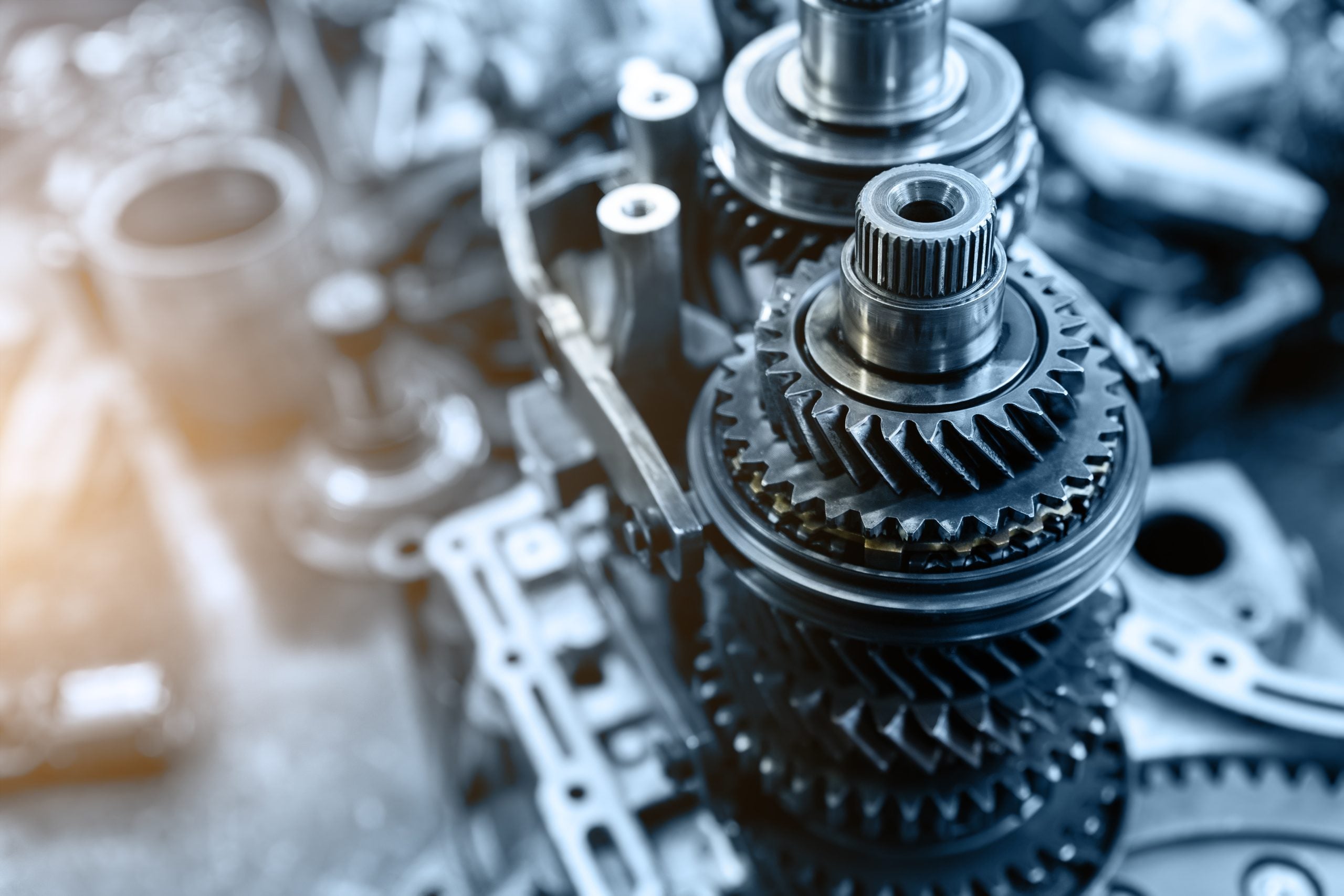
Closeup,Disassembled,Car,Automatic,Transmission,Gear,Part,On,Workbench,At

Nissan Transmission Maintenance: Essential Tips for Bourbonnais, IL Drivers

Maintaining your Nissan's transmission is arguably the most vital mechanical duty you have as an owner. It is the complex heart of your vehicle’s drivetrain, responsible for translating the engine’s power into the forward motion that carries you across Bourbonnais. Regardless of your choice between a Rogue with its refined CVT or a rugged Frontier with a traditional geared box, proper transmission care is the difference between a car that lasts decades and one that meets an untimely, and very expensive, end. Why Nissan Transmission Maintenance Matters The transmission is not a "set it and forget it" component. Over time, the internal lubricants—traditional automatic fluids or specialized CVT (Continuously Variable Transmission) fluids—break down. They lose their ability to dissipate heat and protect the intricate metal belts or gears from friction. For drivers in Bourbonnais, IL, the stakes are slightly higher. Our Illinois winters see temperatures plummet well below freezing, which thickens transmission fluid and forces the system to work harder during those first few miles of a morning commute. Conversely, the summer humidity can cause internal temperatures to spike. Regular maintenance ensures your Nissan can withstand these local environmental extremes without a mechanical protest. Key Steps for Effective Transmission Care 1. Respect the Fluid Change Intervals While some older manuals might suggest longer intervals, modern technical wisdom for Nissan CVTs suggests a more proactive approach. Under normal driving conditions, many experts recommend inspecting the fluid every 7,500 miles and considering a full fluid replacement every 60,000 miles. Stop-and-go traffic on Route 45 or frequent towing makes a 30,000-mile change interval a much safer bet to prevent premature wear. 2. Address Warning Signs with Immediacy A transmission rarely fails without a warning. A "shudder" or "judder" during acceleration—a sensation almost like driving over rumble strips—is your transmission asking for help. Other red flags include: Delayed Engagement: A pause between shifting into 'Drive' and the car actually moving. Whining or Humming: New auditory signatures coming from the engine bay while at speed. Acrid Odors: Usually indicating that your fluid is overheating and losing its protective properties. 3. Be Mindful of the Load Every Nissan has a specific weight capacity. Overloading your vehicle—or towing a trailer that exceeds the rated limit—puts immense thermal stress on the transmission. This heat is the primary killer of CVT belts and traditional clutches. When carrying heavy loads through the Illinois countryside, ensure your fluid is fresh and your cooling system is in top shape. 4. The Winter Warm-Up In the depths of a Bourbonnais January, give your Nissan a few minutes to idle before you set off. This allows the transmission fluid to reach an optimal operating temperature, ensuring it flows freely through the internal valves and provides immediate lubrication to the moving parts. Professional Transmission Service in Bourbonnais, IL The modern Nissan transmission is a highly specialized piece of equipment. CVTs, in particular, require specific "NS-3" fluid; using a generic substitute can lead to immediate and catastrophic internal damage. At Hove Nissan, our certified technicians use factory-approved diagnostic tools to check fluid degradation levels that a standard dipstick simply can't show. From simple fluid exchanges to sophisticated software recalibrations, we ensure your transmission is running the latest factory updates.

Contact Us

Fill out this form below and we'll contact you shortly
*Required Fields