
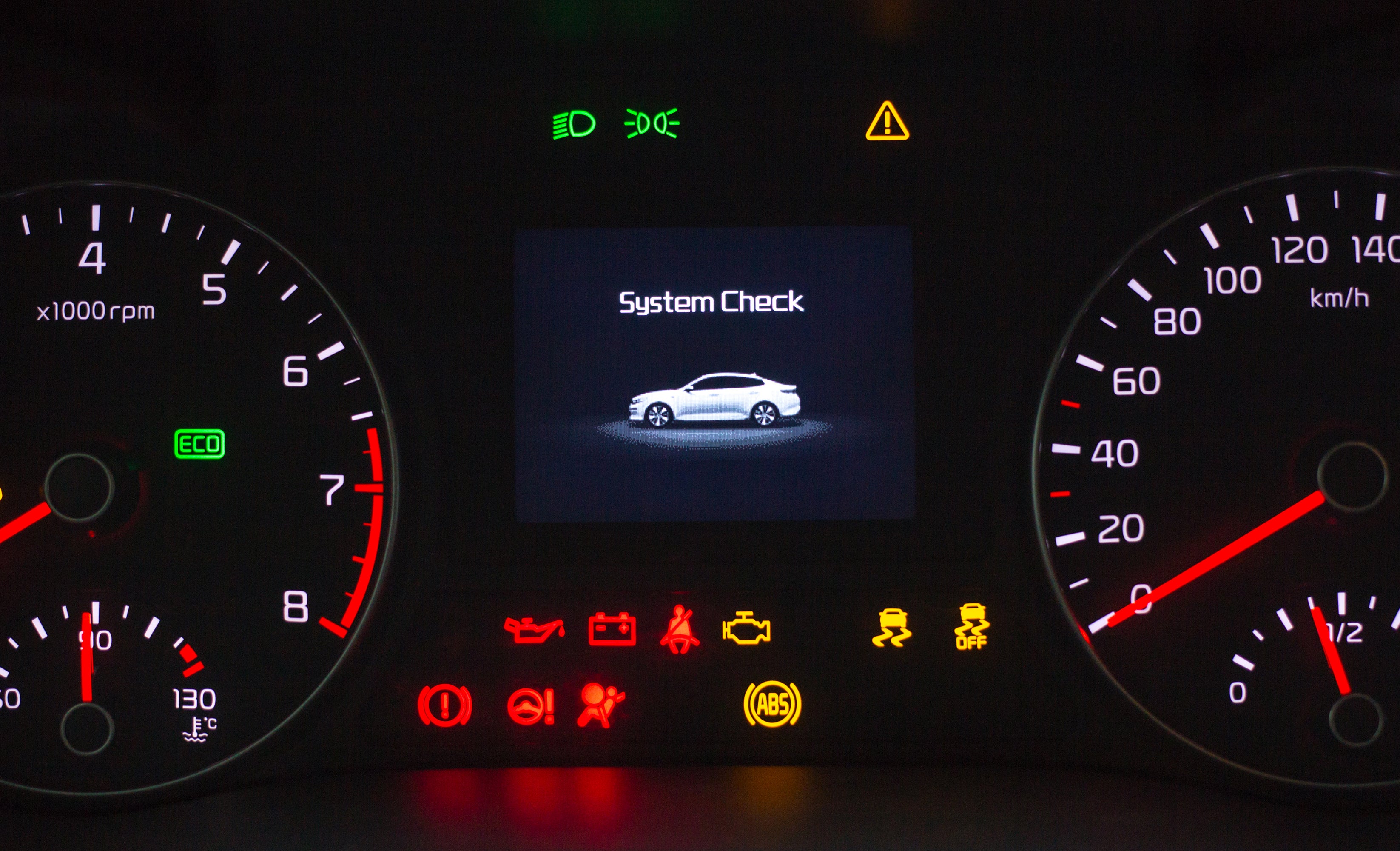
The Nissan check engine light is remarkably good at getting your attention while telling you almost nothing. That little amber engine-shaped icon could point to something as basic as an improperly sealed gas cap or something considerably more urgent happening inside the engine. What it really means is simple: your Nissan's onboard diagnostic system has detected something outside its expected operating range, stored a diagnostic trouble code, and would now like somebody to investigate.
Why Your Nissan Check Engine Light Comes On
There isn't one universal culprit. A loose or damaged gas cap can trigger an evaporative-emissions fault, while an oxygen sensor problem can interfere with the engine management system's ability to monitor the exhaust. Worn spark plugs or failing ignition coils can cause misfires, and problems involving the catalytic converter or other emissions components can illuminate the light as well. The symptoms may range from absolutely nothing noticeable to rough running, reduced power, poor fuel economy, or hesitation, which is why the light itself is only the beginning of the diagnosis.
A Diagnostic Code Isn't the Same as a Diagnosis
Professional Nissan diagnostics start by retrieving the trouble codes stored by the vehicle, but the code doesn't necessarily identify a failed component. Think of it as a clue. A technician may need to examine live vehicle data, inspect related components, test electrical circuits, or perform additional checks before determining what caused the fault. But simply replacing the component named in a generic code description can become an expensive game of parts darts.
Solid or Flashing? There's a Big Difference
A solid Nissan check engine light generally means the vehicle has detected a fault that should be diagnosed soon, though the car may continue to operate normally. A flashing light deserves much more immediate attention because it can indicate an active misfire capable of damaging the catalytic converter. If the light begins flashing and the engine is shaking, losing power, or otherwise behaving abnormally, reduce your speed, find a safe place to stop, and arrange for professional Nissan service instead of continuing the journey and hoping the problem sorts itself out.
What Should You Check First?
Start with the easy stuff. If your Nissan uses a conventional fuel cap, check that it's properly secured and inspect it for visible damage. Pay attention to anything else the vehicle is telling you, including unusual noises, rough idling, changes in acceleration, smoke, or other dashboard warnings. If the Nissan check engine light remains illuminated, scheduling a vehicle diagnostic service at Hove Nissan is the next move. Clearing the warning without identifying its cause only removes the message; it doesn't repair whatever triggered it.
Schedule Nissan Diagnostics at Hove Nissan
For drivers around Bourbonnais, IL, a check engine light doesn't need to become a guessing exercise. Hove Nissan can perform Nissan diagnostics to determine why the warning appeared and identify any service or engine repair the vehicle requires. If your light is illuminated, keeps returning, or is accompanied by changes in how your Nissan drives, schedule a service appointment online and have the problem properly diagnosed before a smaller warning has the opportunity to become a larger repair.