
Tire pressure isn't terribly exciting, right up until it changes how the car behaves. Those 4 patches of rubber are the only parts of your Nissan touching the road, and inflation affects how they steer, brake, wear, and deal with heat. Keeping your Nissan tire pressure where the vehicle manufacturer specifies takes only a few minutes, but it can make a noticeable difference to safety, tire life, and the way the vehicle feels from behind the wheel around Bourbonnais.
Tire Pressure Changes More Than the Ride
An underinflated tire flexes more as it rolls, generating additional heat and potentially wearing its shoulders faster. It can also make steering feel less precise and increase rolling resistance. Too much pressure brings its own problems, including a harsher ride and altered tread contact with the road. Correct inflation keeps the tire operating as designed, which is why checking pressure should be part of regular Nissan tire service instead of something reserved for the appearance of a warning light.
Finding the Correct Pressure for Your Nissan
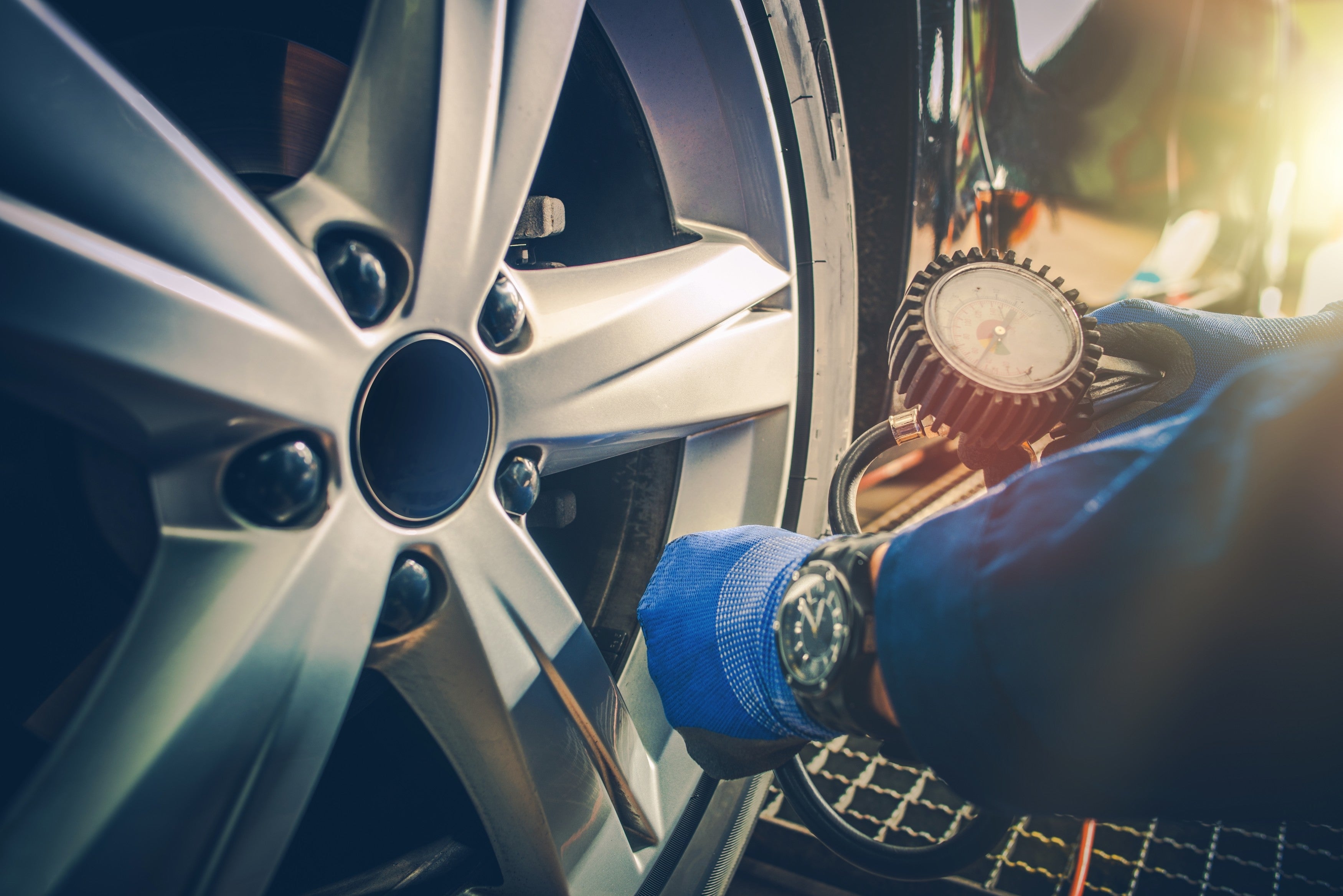
Ignore the temptation to use the pressure molded into the tire sidewall as your target; that figure isn't your Nissan's recommended inflation pressure. Look instead at the Tire and Loading Information label, typically located on the driver's-side door jamb, or consult your owner's manual. Requirements can differ by model, tire specification, and load, so the vehicle's listed figure is the one to follow. Check the tires when they're cold for the most representative reading and don't forget the spare if your Nissan is equipped with one.
What the Nissan TPMS Light Is Telling You
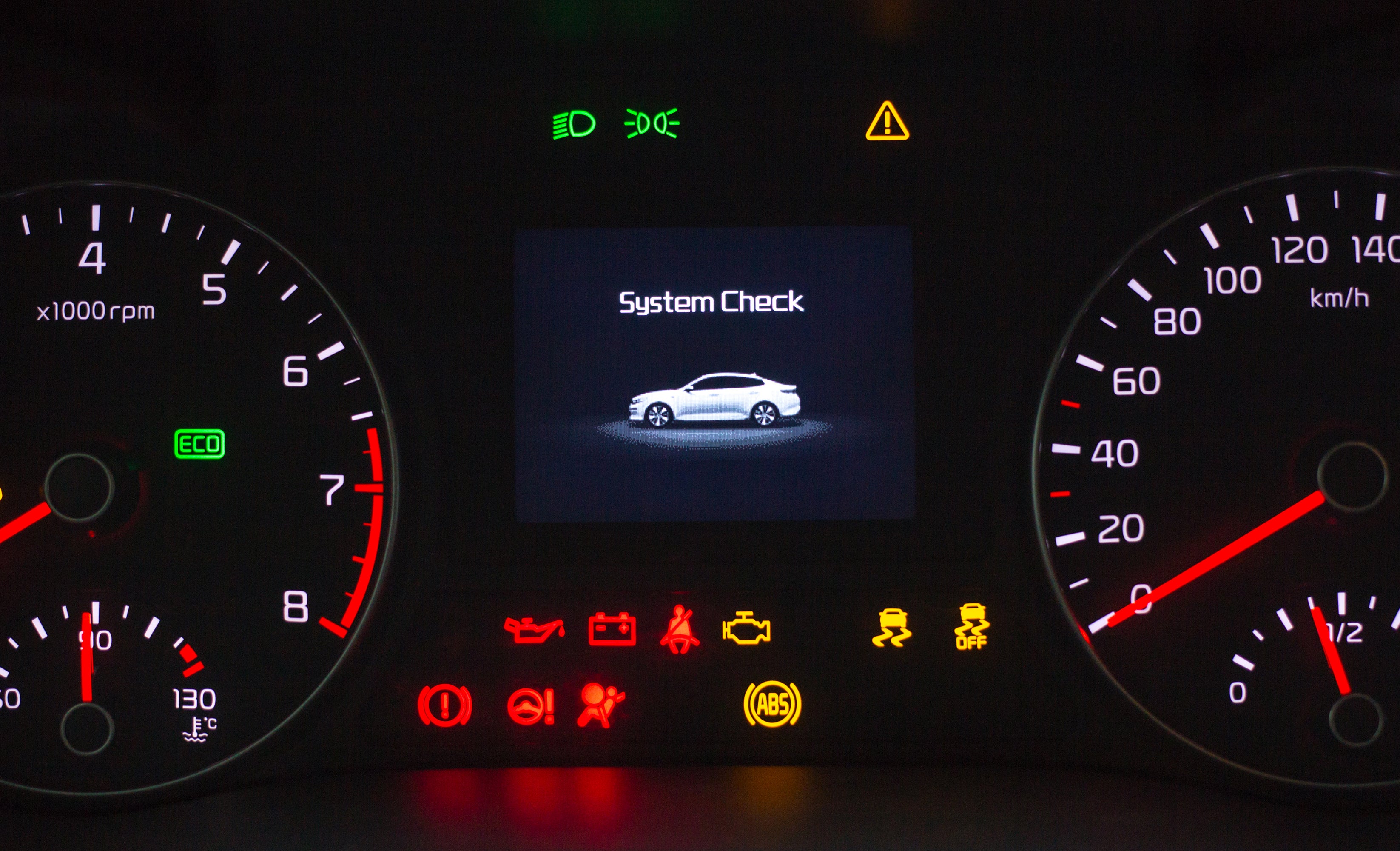
The Nissan Tire Pressure Monitoring System (TPMS) monitors tire inflation and can warn you when pressure becomes too low. If the Nissan TPMS warning appears, find a safe place to check the tires and inflate them to the vehicle's specified pressure as needed. TPMS is a warning system, though, not an excuse to retire the pressure gauge. Regular manual checks can identify a gradual pressure loss before it becomes significant enough to trigger a warning, while a warning that remains illuminated may warrant professional TPMS service or a tire inspection.
Cold Weather Can Make the Warning Appear
Air pressure changes with temperature, which is especially relevant during a Bourbonnais, IL, winter. A tire that was properly inflated during warmer weather may show lower pressure after a substantial temperature drop. That's a good reason to check inflation as the seasons change instead of simply adding air until the warning disappears. If one tire repeatedly loses pressure while the others remain stable, the problem could be a puncture, valve issue, wheel damage, or another leak requiring tire repair.
Give the Tires a Proper Look While You're There
Checking pressure is also a convenient time to inspect tread condition. Uneven wear can point toward incorrect inflation, but it may also indicate the need for a tire rotation, wheel alignment, or suspension inspection. Cracks, bulges, embedded objects, or rapidly declining tread depth deserve attention as well. Tires tend to tell you quite a lot about what's happening elsewhere on the vehicle, provided somebody takes the time to look.
Schedule Nissan Tire Service at Hove Nissan
Correct Nissan tire pressure helps the tires perform as intended and gives drivers an early opportunity to catch problems before they become more troublesome. If your TPMS light stays on, one tire repeatedly loses air, or you've noticed unusual tread wear, professional tire service can identify what's causing it. Drivers around Bourbonnais, IL, can visit Hove Nissan for tire inspections, TPMS service, tire rotations, wheel alignment, and other Nissan maintenance. Schedule a service appointment online to have your tires checked and keep your Nissan ready for the road.