

Blog / Bourbannais Nissan Service

Nissan Transmission Maintenance: Essential Tips for Bourbonnais, IL Drivers

Closeup,Disassembled,Car,Automatic,Transmission,Gear,Part,On,Workbench,At

Maintaining your Nissan's transmission is arguably the most vital mechanical duty you have as an owner. It is the complex heart of your vehicle’s drivetrain, responsible for translating the engine’s power into the forward motion that carries you across Bourbonnais. Regardless of your choice between a Rogue with its refined CVT or a rugged Frontier with a traditional geared box, proper transmission care is the difference between a car that lasts decades and one that meets an untimely, and very expensive, end.

Why Nissan Transmission Maintenance Matters

The transmission is not a "set it and forget it" component. Over time, the internal lubricants—traditional automatic fluids or specialized CVT (Continuously Variable Transmission) fluids—break down. They lose their ability to dissipate heat and protect the intricate metal belts or gears from friction.

For drivers in Bourbonnais, IL, the stakes are slightly higher. Our Illinois winters see temperatures plummet well below freezing, which thickens transmission fluid and forces the system to work harder during those first few miles of a morning commute. Conversely, the summer humidity can cause internal temperatures to spike. Regular maintenance ensures your Nissan can withstand these local environmental extremes without a mechanical protest.

Key Steps for Effective Transmission Care

1. Respect the Fluid Change Intervals While some older manuals might suggest longer intervals, modern technical wisdom for Nissan CVTs suggests a more proactive approach. Under normal driving conditions, many experts recommend inspecting the fluid every 7,500 miles and considering a full fluid replacement every 60,000 miles. Stop-and-go traffic on Route 45 or frequent towing makes a 30,000-mile change interval a much safer bet to prevent premature wear.

2. Address Warning Signs with Immediacy A transmission rarely fails without a warning. A "shudder" or "judder" during acceleration—a sensation almost like driving over rumble strips—is your transmission asking for help. Other red flags include:

  • Delayed Engagement: A pause between shifting into 'Drive' and the car actually moving.
  • Whining or Humming: New auditory signatures coming from the engine bay while at speed.
  • Acrid Odors: Usually indicating that your fluid is overheating and losing its protective properties.

3. Be Mindful of the Load Every Nissan has a specific weight capacity. Overloading your vehicle—or towing a trailer that exceeds the rated limit—puts immense thermal stress on the transmission. This heat is the primary killer of CVT belts and traditional clutches. When carrying heavy loads through the Illinois countryside, ensure your fluid is fresh and your cooling system is in top shape.

4. The Winter Warm-Up In the depths of a Bourbonnais January, give your Nissan a few minutes to idle before you set off. This allows the transmission fluid to reach an optimal operating temperature, ensuring it flows freely through the internal valves and provides immediate lubrication to the moving parts.

Professional Transmission Service in Bourbonnais, IL

The modern Nissan transmission is a highly specialized piece of equipment. CVTs, in particular, require specific "NS-3" fluid; using a generic substitute can lead to immediate and catastrophic internal damage.

At Hove Nissan, our certified technicians use factory-approved diagnostic tools to check fluid degradation levels that a standard dipstick simply can't show. From simple fluid exchanges to sophisticated software recalibrations, we ensure your transmission is running the latest factory updates.
Posted in:

Related Posts

Car service inspection by mechanic

Nissan Summer Road Trip Checklist: What to Check Before Long Drives

Summer is the perfect time to hit the open road. Before you load up the car and head out, a few simple checks can make the difference between a smooth trip and an unexpected roadside stop. Completing a solid summer car maintenance checklist prevents breakdowns, no matter if you drive a Nissan Rogue, a Frontier, or any other model. Reach out to your local Nissan dealership in Bourbonnais, IL today to ensure your vehicle is ready for the journey and to get expert advice. more Why Pre-Trip Inspections Matter for Long Drives No one wants to deal with a breakdown in the summer heat. Completing a maintenance checklist before an extended journey helps you spot small issues before they become bigger problems. Drivers throughout Bourbonnais, IL know summer temperatures take a toll on vehicles, making preparation essential this time of year. Fluids, Filters, and Engine Health Start by checking your engine oil level and condition. If the oil is dark and dirty, you need an oil change. Coolant is critical in the summer, so verify the reservoir is full to prevent overheating on long highway stretches. Your Nissan service team can also inspect your air filter, brake fluid, power steering fluid, and windshield washer fluid. These overlooked components remain vital for overall performance and safety. Tires, Brakes, and Safety Systems Tires require close attention before a road trip. Check the tread depth and look for uneven wear, cracks, or bulges. Always check the spare tire, as it is easy to forget until you actually need it. Tire pressure fluctuates with temperature changes, so inflate all tires to the manufacturer's recommended levels before departure. Have a technician inspect your brakes if you notice squealing, vibrating, or longer stopping distances. Lights, Battery, and Electrical Checks Summer heat damages batteries. If your battery is older than three years, have a professional test it before a long trip. Verify all exterior lights work properly, including headlights, taillights, turn signals, and brake lights. Inside the cabin, ensure your air conditioning system blows cold. A malfunctioning A/C is an inconvenience and a potential safety concern on long summer drives. Packing and Emergency Essentials A good road trip vehicle checklist goes beyond the vehicle itself. Pack a roadside emergency kit containing jumper cables, a flashlight, a basic first aid kit, water, and a phone charger. If your newer Nissan model features roadside assistance or smartphone integration like Apple CarPlay© or Android Auto©, familiarize yourself with the systems before leaving. Families loading up a Nissan Pathfinder or Armada should review cargo limits and secure everything properly before departing. Schedule Your Pre-Trip Inspection Today Let a professional handle the hard part so you feel confident before a long drive. Certified technicians possess the tools and training to thoroughly inspect your vehicle. You might be driving across state lines or just taking a weekend trip. Stop by your local Nissan dealership in Bourbonnais, IL to let our team help you enjoy the drive safely. Contact us to schedule your service appointment.

2026 nissan sentra vs 2026 toyota corolla

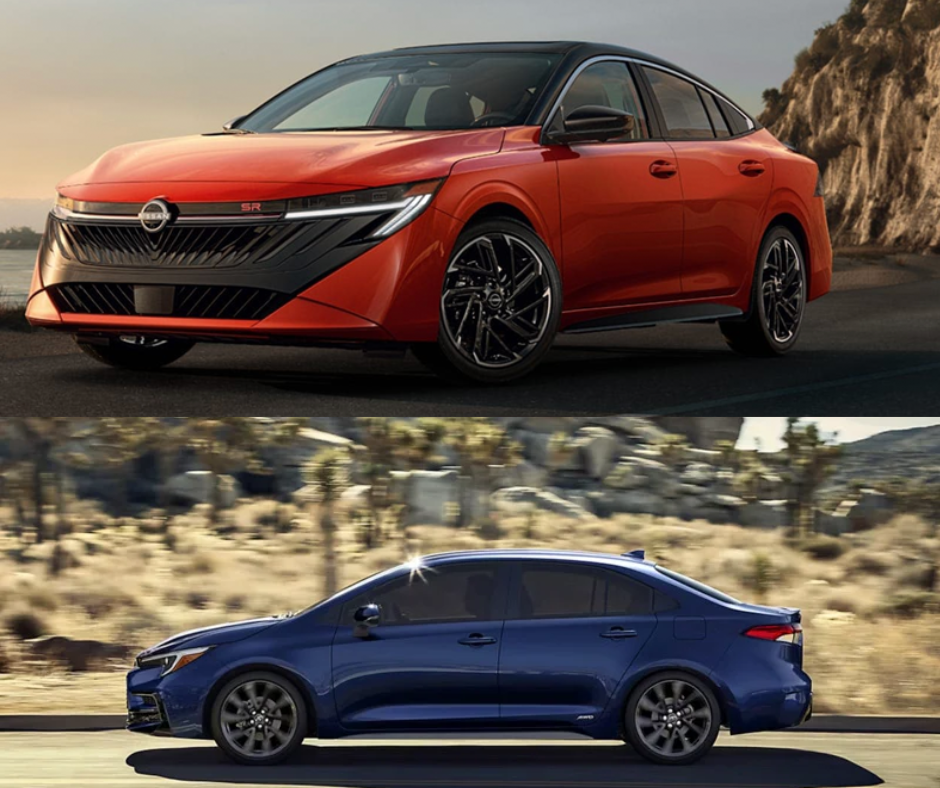
2026 Nissan Sentra vs. 2026 Toyota Corolla: Which Compact Sedan Is Right for You?

If you’re shopping for a dependable and fuel-efficient compact sedan, two of the most popular choices you’ll come across are the Nissan Sentra and the Toyota Corolla. Both are known for reliability, safety, and everyday practicality, but they take different approaches when it comes to comfort, design, and driving experience. Understanding those differences can help you choose the right fit for your needs. more Design and Styling The 2026 Nissan Sentra stands out with a more upscale and refined design. It features a wider stance, sharp body lines, and a modern front-end style that gives it a slightly more premium appearance than most compact sedans. It is designed to feel sophisticated without being overly aggressive, appealing to drivers who want something stylish but still professional and practical. The Corolla takes a more conservative approach. Its design is clean and modern, with an emphasis on simplicity and long-term appeal. While newer models have become more athletic than past generations, the Corolla still prioritizes a familiar and functional look over bold styling choices. It is designed to blend in rather than stand out. Performance and Driving Feel The Sentra is powered by a 2.0L 4-cylinder engine producing about 149 horsepower and 146 lb-ft of torque. It is tuned for smooth and predictable performance, making it an easy and comfortable vehicle for daily commuting. The ride quality is one of its strongest traits, offering stability and comfort on both city streets and highways. The Corolla also uses a 2.0L 4-cylinder engine in its gas model, but it offers more variety with available hybrid options. These hybrid models significantly improve fuel efficiency and make the Corolla one of the most economical vehicles in its class. While both vehicles are designed for comfort rather than sportiness, the Corolla hybrid gives it an edge in efficiency-focused driving. Fuel Efficiency Fuel economy is a strong point for both sedans. The Sentra delivers impressive efficiency for a non-hybrid vehicle, reaching up to around 30 MPG in the city and 40 MPG on the highway. It balances efficiency with a smooth driving experience that feels natural and responsive in everyday use. The Corolla’s advantage comes in its hybrid option, which pushes fuel economy significantly higher than the Sentra. Even in its gas-only version, it remains highly competitive, but the hybrid model is ideal for drivers who want to maximize fuel savings over the long term. Interior Comfort and Features Inside the Sentra, the cabin feels more refined than many expect at this price point. The layout is clean and modern, and higher trims add upgraded materials and available digital displays that enhance the overall driving experience. It focuses heavily on comfort, making it a strong choice for commuters or drivers who spend a lot of time on the road. The Corolla’s interior is functional and user-friendly, with a focus on practicality and ease of use. It offers modern infotainment features and available digital displays, but the overall design is more utilitarian compared to the slightly more upscale feel of the Sentra. It prioritizes simplicity and long-term usability over luxury touches. Safety and Reliability Both vehicles come equipped with advanced safety systems designed to support drivers in everyday situations. The Sentra includes Nissan’s Safety Shield 360 suite, which offers features like automatic emergency braking, blind spot warning, rear cross traffic alert, and lane departure warning. The Corolla includes Toyota Safety Sense, which provides a similarly strong set of driver-assistance features such as adaptive cruise control, pre-collision warning with pedestrian detection, lane assistance, and road sign recognition. Both vehicles are highly regarded for safety, making either one a strong and secure choice. Final Verdict The choice between the Sentra and Corolla ultimately comes down to priorities. The Sentra is ideal for drivers who want a more refined interior, smooth ride quality, and strong overall value in a compact sedan. The Corolla is better suited for those who prioritize long-term reliability, maximum fuel efficiency, and the availability of hybrid technology. Both are excellent choices in the compact sedan segment, but the right one depends on whether you value comfort and refinement or efficiency and long-term reputation more. If the Sentra is the right fit for you, the best next step is to experience it in person. Visit Hove Nissan to explore available trims, compare features, and take a test drive.

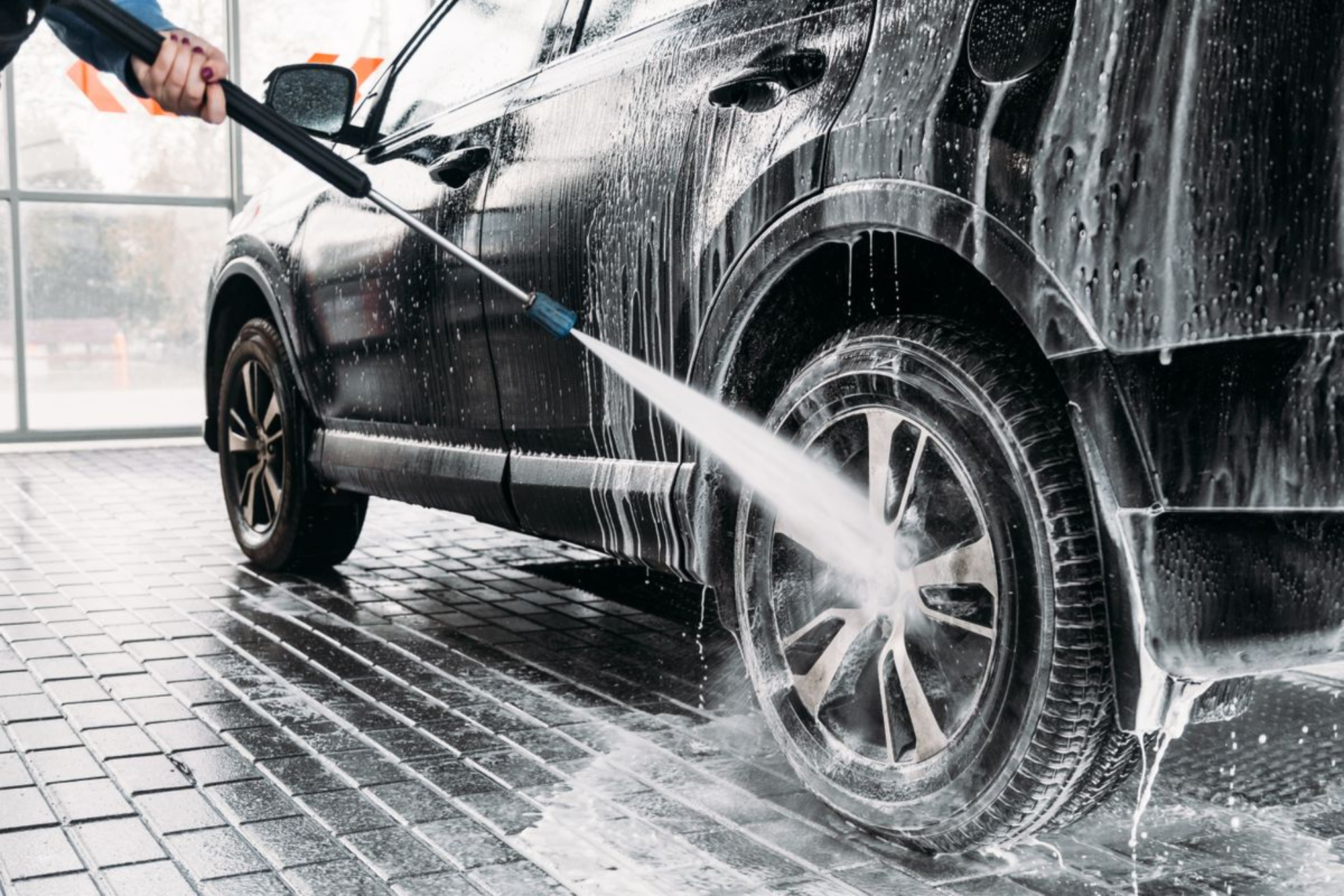
Car wash

Your Nissan Is Fighting Illinois Weather Every Day

The seasons in Bourbonnais, IL can be tough on your vehicle. From road salt and freezing temperatures in winter to intense UV rays and summer heat, the elements work against your car's finish every single day. Whether you drive a 2026 Nissan Rogue, a Frontier, or a Sentra, following a consistent set of Nissan exterior maintenance tips will help protect your investment and keep your vehicle looking showroom-fresh for years to come. more Why Exterior Maintenance Matters for Your Nissan Nissan engineers its vehicles for durability and long-term reliability — the brand recently earned the No. 1 spot for new-vehicle quality among mainstream brands in the J.D. Power 2025 U.S. Initial Quality Study. But even the most well-built vehicle needs a little help from its owner when it comes to protecting the exterior finish. Neglecting the outside of your Nissan can lead to paint oxidation, rust, and surface damage that's costly to repair. A proactive approach to Nissan exterior maintenance tips keeps your car looking great and helps preserve its resale value over time. Washing the Vehicle Properly Matters One of the most fundamental Nissan exterior maintenance tips is simply washing your vehicle on a consistent schedule. Dirt, bird droppings, road tar, and tree sap are mildly acidic and can eat into your paint if left untreated. Aim to wash your Nissan at least every two weeks, and more frequently during winter when road salt is present. When washing, use a dedicated automotive soap rather than household dish detergent, which can strip protective coatings. Rinse the undercarriage thoroughly to remove road salt buildup, as this is where rust often begins. Pay special attention to the wheel wells, door jambs, and lower body panels, since these areas trap moisture and debris. A gentle microfiber wash mitt will clean without scratching the clear coat, helping you maintain that factory-fresh look. Apply Wax or Paint Sealant for Long-Term Car Exterior Protection Beyond washing, applying a quality wax or paint sealant is one of the most effective ways to achieve reliable car exterior protection in Bourbonnais, IL. A good wax creates a barrier between your Nissan's clear coat and the elements, repelling water, UV rays, and road grime. Carnauba wax is a popular choice for its warm, deep shine, and typically needs to be reapplied every six to eight weeks. Synthetic paint sealants last longer — often three to six months — and provide excellent protection against UV fading and environmental contaminants. For drivers who want maximum durability, a ceramic coating applied by a professional detailer can last years with proper care. It creates a hydrophobic surface that causes water to bead and roll off, taking dirt with it. Whichever product you choose, consistent application is key to keeping your Nissan's finish in peak condition. Protect Your Nissan from Sun, Salt, and Seasonal Hazards Illinois weather presents unique challenges across every season, and your Nissan exterior maintenance routine should account for all of them. In summer, UV exposure can fade paint and cause plastic trim to become brittle over time. Parking in shaded areas or using a car cover when your vehicle sits outdoors for extended periods can significantly slow this process. Winter brings a different set of concerns. Road salt is particularly corrosive to painted surfaces, wheel wells, and exposed metal. Applying a rust-inhibiting undercoat spray before winter arrives adds an extra layer of car exterior protection in Bourbonnais, IL and surrounding areas that experience heavy road salt use. In spring and fall, be mindful of tree pollen and fallen leaves. Wet leaves that sit on your paint can stain the surface and retain moisture, creating conditions for mold and oxidation. Keeping your Nissan clear of organic debris is a simple but important step in your exterior care routine. Consistency Beats Perfection Every Time Taking care of your Nissan's exterior doesn't require a lot of time or expensive products — just a consistent routine and the right approach for each season. By following these Nissan exterior maintenance tips, you'll protect your vehicle's finish, prevent rust and fading, and keep your car looking great mile after mile. Drivers throughout Bourbonnais, IL, can keep their Nissan looking its best by partnering with Hove Nissan for routine maintenance, professional exterior care, and seasonal service support tailored to the demands of Midwest weather conditions.